Building a House
Evaluating PropertyEssential
Construction quality signals
Practical checks Indian homebuyers can use before buying an under-construction, new, or resale flat.
7 minutes read· Last updated 28 Apr 2026
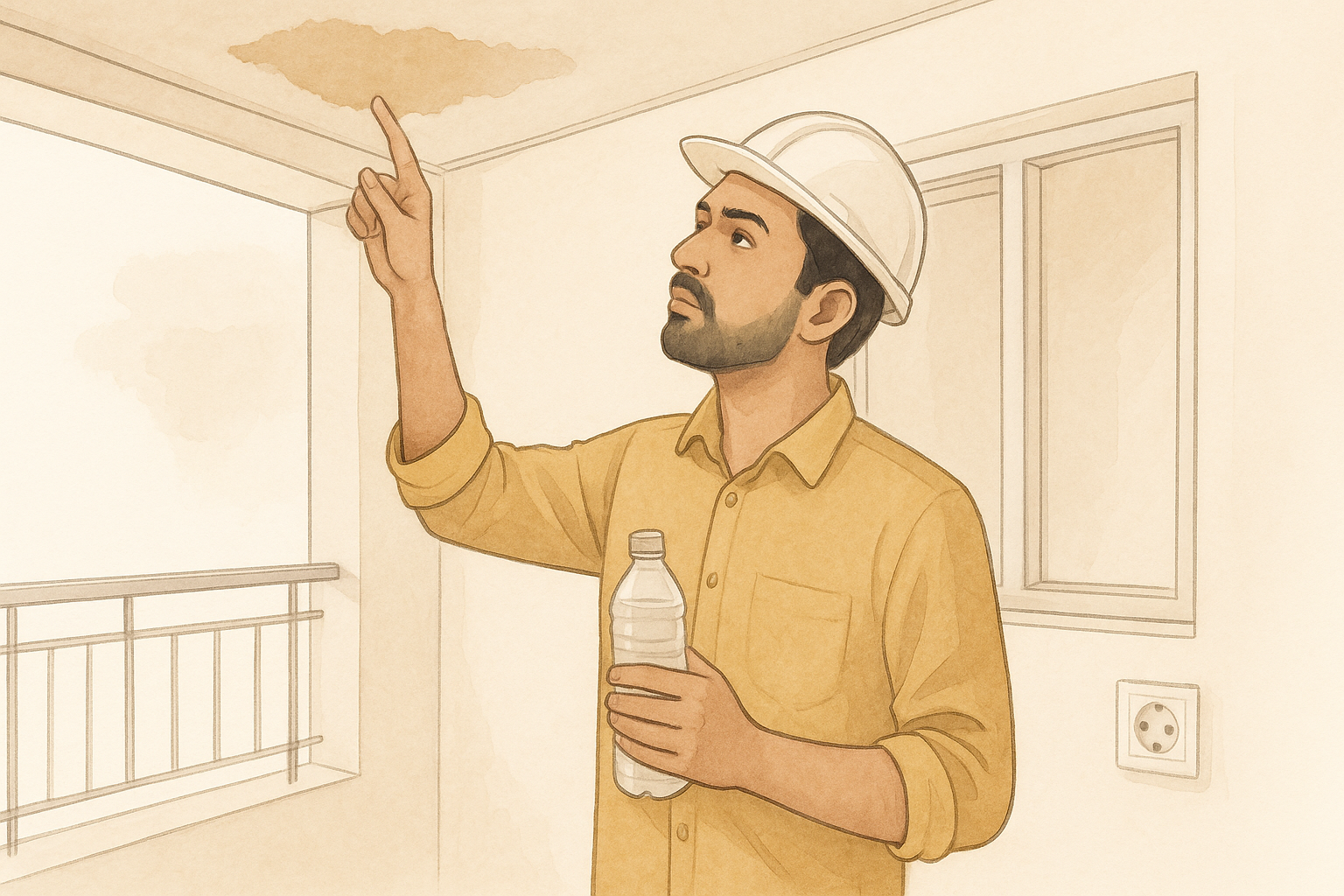
Buying a flat in India is not only a financial decision. It is also a safety decision. A project may have a good location, attractive price, reputed clubhouse, and a polished sample flat, but if the construction quality is poor, the home can become stressful, unsafe, and difficult to resell.
Most buyers are not civil engineers, and builders rarely allow deep technical testing before purchase. Still, a buyer can identify many construction quality signals with simple visual checks, basic touch tests, and practical questions. These checks do not replace a professional structural audit, but they help you decide whether a project deserves your money, further due diligence, or complete rejection.
Why Construction Quality Must Be Checked Before Buying a Flat
Building failures and structural safety concerns in Indian cities have made homebuyers more cautious. In markets such as Gurugram, Noida, Greater Noida, Mumbai, Pune, Bengaluru, Hyderabad, and Chennai, buyers often compare amenities and price but ignore the quality of pillars, plaster, waterproofing, wiring, basement drainage, and common areas.
A weak building creates three problems. First, it affects safety. Second, it leads to recurring expenses such as seepage repair, plaster patching, rewiring, and repainting. Third, it affects resale value because informed buyers avoid societies known for structural issues, poor maintenance, water leakage, or repeated repair work.
You should evaluate construction quality at three stages: when the building is under construction, when it is newly ready for possession, and when it is an older resale property. Each stage reveals different signals, and the right inspection approach can save you from a costly mistake.
Under-Construction Building Checks
For under-construction projects, entry to the site is usually restricted for safety reasons. If the developer allows a supervised site visit, inspect only from permitted areas and do not enter unsafe floors, lift shafts, or scaffolding zones. Many new high-rise projects use RCC frames, shear walls, or Mivan aluminium formwork, but technology alone does not guarantee good workmanship.
The first thing to observe is the alignment and finish of pillars, beams, and walls. Pillars should appear straight, evenly cast, and free from honeycombing, chips, visible voids, or irregular surfaces. If shuttering was poor during casting, the concrete may show gaps, rough patches, or broken edges. Small surface imperfections can be repaired, but repeated poor casting across the structure is a warning sign.
The second check is plaster quality after brickwork or wall work is completed. Look at internal and external walls for cracks, gaps, uneven plaster, and patchy finishing. If large gaps are filled later with superficial patchwork, the finish may look acceptable after paint but can become weak over time, especially during heat, rain, and vibration.
- Check whether columns and walls look straight from a distance.
- Look for chipped concrete, voids, exposed steel, or rough honeycombed surfaces.
- Inspect plastered walls for cracks, gaps, bulges, and patchy repairs.
- Press a plastered area lightly with your thumb or fingernail.
- Ask the builder which structural system, concrete grade, and waterproofing method is being used.
The thumb test is simple. Press a plastered wall lightly with your thumb or nail. A very minor mark is normal. But if the plaster crumbles, powder falls out, or your thumb sinks into the surface, it may indicate weak plaster mix, poor curing, or inferior wall material. This is not a full strength test, but it is a useful first-level signal.
Newly Ready Flat Inspection Checks
A newly ready flat is harder to judge because the developer has painted, polished, and cleaned everything. Fresh paint can hide cracks, patchwork, seepage marks, and uneven plaster. That is why you should inspect slowly, in daylight, and not only during a rushed possession visit.
Start with the external façade and common areas. A new building should not already have peeling plaster, visible cracks, broken balcony edges, or water stains on walls. Minor paint touch-ups can happen, but widespread cracks or plaster falling from the exterior is not acceptable in a newly delivered building.
Inside the flat, use three practical tests: wall smoothness, corner strength, and door-frame quality. Run your palm across walls to identify waves, undulations, and rough areas. Tap corners gently with a filled hard-plastic water bottle. A light mark is normal, but if a corner breaks or plaster falls off easily, the workmanship is weak.
- Inspect walls in natural light, not only under warm decorative lighting.
- Check corners near doors, windows, columns, and balcony openings.
- Tap door frames and listen for a hollow or loose sound.
- Look for cracks beside door frames caused by repeated door impact.
- Check if floors, skirting, tiles, and wall edges meet cleanly.
Door frames and chokhats reveal the builder’s finishing mindset. If the frame surface is rough, uneven, loose, or hollow-sounding, the developer may have used low-quality material or rushed the installation. Also inspect the wall beside the door. In empty flats, doors often bang due to wind. If this already causes cracks or chips in a new flat, future damage may be worse.
Wall finish matters because it shows attention to detail. A builder selling a premium flat should deliver smooth, even, well-finished walls. If there are visible waves, rough patches, paint bubbles, or mismatched repair areas before possession, ask for rectification in writing before accepting handover.
Balcony, Windows, Wiring, and Waterproofing Signals
Balconies are among the first places where construction defects become visible. Rain, heat, drainage slope, and exposed edges test the quality of waterproofing and plaster. When inspecting a balcony, do not only look at the floor tiles. Look up at the balcony ceiling, side walls, drain outlet, railing junctions, and external slab edges.
Ceiling patches, cracks, damp spots, peeling paint, or mismatched finishing can indicate leakage from the flat above or poor waterproofing. If water stays in the balcony instead of draining out, it can create seepage, tile damage, fungus, and complaints from the flat below. In coastal cities like Mumbai and Chennai, balcony waterproofing and exterior plaster quality are even more important because of heavy rain and humidity.
Windows are another major signal. Check the gap between the window frame and wall. You should not see sunlight through the joint, and air should not pass through visible gaps. Poor sealing around windows can cause water entry during monsoon, especially in high-rise apartments in Gurugram, Noida, Pune, and Bengaluru where wind pressure is strong during storms.
Electrical wiring is a safety issue, not just a finishing issue. Ask the developer to show the wire brand, rating, and specification. If the socket box is accessible, check whether reputed ISI-marked wires from known brands have been used. Faulty or low-quality wiring is one of the common reasons for short circuits and fire incidents in residential buildings.
- Balcony ceiling has no damp patch, crack, or peeling plaster.
- Balcony water drains properly and does not collect near corners.
- Window frames are sealed without visible sunlight gaps.
- Door and window edges are smooth, firm, and properly finished.
- Electrical wires are branded, correctly rated, and neatly installed.
- Switchboards, sockets, and distribution board do not look loose or overheated.
If you are buying during possession, list every defect in a snag list and get written confirmation from the builder’s CRM or site team. Do not rely only on verbal assurance such as “paint ke baad theek ho jayega” or “handover ke time ho jayega.”
Resale Flat and Older Building Checks
A resale flat needs a deeper inspection because usage, ageing, maintenance quality, and previous repairs all matter. Some cracks and paint damage are expected in older buildings, but large broken portions, exposed steel reinforcement, and repeated seepage are serious warning signs.
Start with the exterior and common areas. Inspect balconies, shafts, staircases, podiums, parking areas, and corridors. If plaster has fallen off in large portions or steel bars are visible, the building may have corrosion or poor concrete cover. Exposed steel in balconies or common ledges should be taken seriously because it can weaken the structure over time.
Next, check water stains on outer walls, pipe shafts, bathroom-side walls, and kitchen-side walls. Large damp patches near plumbing lines can indicate leakage. Also check if plants or roots are growing inside cracks, pipe joints, or external walls. Roots can widen gaps and worsen seepage over time.
Inside the resale flat, use the nail check wherever possible. Owners may not allow you to hammer a new nail, but you can inspect existing nails, photo frames, curtain brackets, TV units, and wall-mounted shelves. If a nail or screw has created an unusually large hole, or the wall needed excessive packing to hold a fixture, the brick or block quality may be weak.
The water test is useful for bathrooms and balconies. With permission, pour water on the floor and see whether it flows smoothly towards the drain. If water collects in corners or near the door, the slope is wrong. Poor slope can lead to standing water, seepage, smell, and tile damage. It can also affect the flat below and create society disputes.
Seepage, Paint Mismatch, Basement, and Society-Level Red Flags
Seepage is one of the most expensive and irritating defects in Indian apartments. In a resale flat, touch the walls around bathrooms, kitchens, balconies, and pipe shafts. If a wall feels unusually cold, damp, swollen, or powdery, there may be hidden moisture. Ask the owner whether waterproofing or plumbing repair has been done earlier.
Fresh paint can hide seepage. Check whether the paint shade is consistent across the flat. If one portion near a bathroom, kitchen, window, or ceiling looks darker, thicker, or recently repainted, ask why. Extra paint coats may have been used to hide damp patches before showing the property to buyers.
Basement condition is a society-level signal. Waterlogging, continuous dampness, seepage from retaining walls, rusted pipes, and bad smell in the basement can affect the long-term health of the building. In cities with high groundwater or heavy monsoon, such as Mumbai, Kochi, Chennai, and parts of Bengaluru, basement waterproofing and drainage must be checked carefully.
- Visit the basement and parking area during or soon after rain, if possible.
- Look for waterlogging, seepage marks, rust, fungus, and peeling plaster.
- Ask residents about repeated leakage, lift shutdowns, and repair history.
- Check whether the society has done structural repairs or only cosmetic painting.
- Review maintenance records, major repair bills, and pending complaints.
Speak to residents, not only the broker or seller. Security guards, facility managers, and existing residents often know whether a tower has seepage, falling plaster, lift issues, basement flooding, or repeated pipe leakage. In established societies, this informal feedback can be more useful than a polished sales pitch.
When to Hire a Professional Structural Engineer
A buyer can identify many surface-level construction quality signals, but some checks need a qualified professional. If you see exposed reinforcement, large diagonal cracks, sagging slabs, repeated seepage, major basement waterlogging, or plaster falling from multiple locations, hire a structural engineer before proceeding.
A professional may recommend non-destructive tests, rebound hammer testing, cover meter scanning, concrete core testing, moisture meter checks, or a detailed structural audit, depending on the building’s condition. For older buildings, especially in Mumbai, Delhi NCR, Kolkata, and coastal regions, a structural audit can be valuable before buying a high-value resale flat.
Also verify documents. Construction quality is physical, but approvals matter too. Ask for RERA registration details where applicable, occupation certificate, completion certificate, sanctioned building plan, fire NOC for high-rises, lift approvals, and society handover status. A building may look good but still have approval or compliance issues that affect resale, loan approval, and safety.
- RERA registration and project details are checked.
- Occupation certificate or completion certificate is available.
- Fire safety approvals are in place for high-rise buildings.
- Lift, electrical, and common area maintenance records are reviewed.
- Snag list or repair commitments are received in writing.
- Serious cracks or exposed steel are reviewed by a structural engineer.
Do not become emotional because the flat has a good view, ideal floor, or attractive price. If the basic construction quality is weak, the home may create constant repair costs and resale problems. A good home should feel safe, perform well in daily use, and hold value over time.